
Recovery After Minimal Invasive Cardiac Surgery: Timeline & Care Tips
Introduction
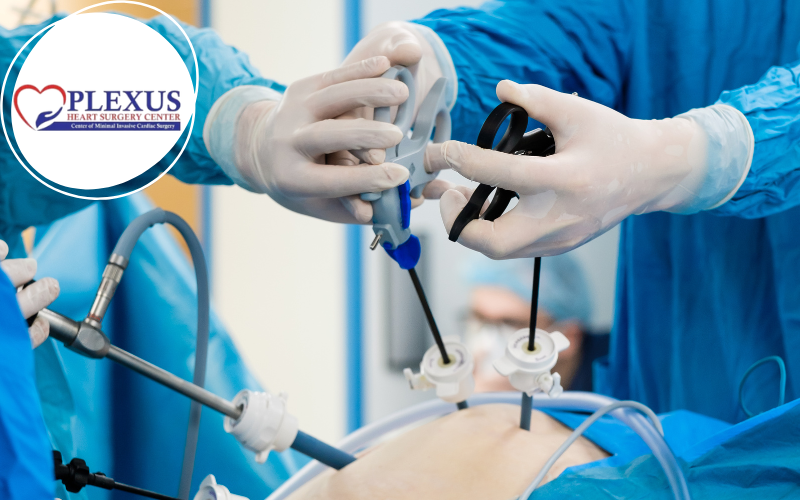
Minimally invasive cardiac surgery is designed to reduce trauma to the body, minimize pain, and shorten hospital stay compared to traditional open-heart surgery. While recovery is generally faster, proper post-surgery care plays a crucial role in ensuring long-term heart health. Understanding the recovery timeline and following the right care plan can help patients heal safely and regain confidence.
At Dr. Jaydip Ramani, Cardiac Surgeon, recovery is carefully monitored with structured follow-ups and personalized guidance for every patient.
Understanding the Recovery Timeline
Every patient heals differently, depending on age, overall health, and the type of heart condition treated. However, most patients follow a general recovery pattern.
First 24–48 Hours (ICU Care)
Immediately after surgery, patients are shifted to the cardiac ICU for close monitoring. During this period:
- Vital signs such as heart rate and blood pressure are continuously monitored
- Temporary breathing support may be provided
- Pain is managed with appropriate medications
- Early gentle movement may be encouraged
This phase focuses on stabilization and preventing complications.
Hospital Stay (3–5 Days)
Once stable, patients are moved to a regular hospital room. During this time, recovery progresses steadily. Doctors encourage light movement, breathing exercises, and gradual independence. The surgical wound is checked regularly, and discharge planning begins.
Most patients are able to go home within a few days, depending on their condition and recovery speed.
First 2 Weeks at Home
The first couple of weeks at home are important for healing. It is normal to feel mild discomfort or fatigue. Patients are usually advised to:
- Take medications exactly as prescribed
- Walk short distances daily
- Avoid heavy lifting or strenuous work
- Keep the incision area clean and dry
- Attend scheduled follow-up visits
Energy levels slowly improve during this period.
Weeks 3–6: Gradual Improvement
By this stage, most patients feel stronger and more active. Daily activities can be resumed gradually, but heavy physical exertion should still be avoided unless approved by the doctor.
Cardiac rehabilitation programs may be recommended, which include supervised exercise, diet guidance, and lifestyle counseling. These programs significantly improve long-term heart health.
Essential Care Tips for Smooth Recovery
Recovery is not just about physical healing—it also involves lifestyle changes and emotional well-being.
1️⃣ Follow a Heart-Healthy Diet
A balanced diet supports faster healing and protects your heart. Focus on:
- Fresh fruits and vegetables
- Whole grains
- Low-salt meals
- Lean protein sources
- Limited fried and processed foods
2️⃣ Stay Active, But Don’t Overdo It
Light walking improves circulation and prevents stiffness. However:
- Avoid sudden heavy exercise
- Stop if you feel chest pain or dizziness
- Follow your doctor’s activity guidelines
3️⃣ Watch for Warning Signs
If you notice any unusual symptoms such as fever, increased swelling near the incision, severe chest pain, shortness of breath, or an irregular heartbeat, it is important to seek medical advice immediately. Prompt consultation with the best cardiac surgeon in Ahmedabad can help prevent complications and ensure a safe and smooth recovery.
- Fever or chills
- Increased redness or swelling near the incision
- Severe chest pain
- Shortness of breath
- Irregular heartbeat
4️⃣ Take Medications Consistently
After minimally invasive cardiac surgery, medications may include blood thinners, blood pressure medicines, or cholesterol control drugs. Skipping doses can increase risks, so consistency is very important.
5️⃣ Focus on Emotional Health
It is common to feel emotional or anxious after heart surgery. Support from family, regular communication with your doctor, and relaxation techniques like deep breathing can help improve mental well-being.
Why Patients Trust Dr. Jaydip Ramani
Dr. Jaydip Ramani’s reputation as one of the best cardiac surgeons in India is built on years of consistent success and patient satisfaction. He is known for his
- Technical expertise: Handling complex surgeries with precision
- Compassionate approach: Treating every patient with care and understanding
- Clear communication: Explaining procedures in simple terms to ensure patients feel informed
Long-Term Recovery and Lifestyle Changes
After about six weeks, most patients can return to normal activities with medical approval. However, long-term success depends on healthy habits such as regular exercise, balanced nutrition, stress management, and routine heart check-ups.
Minimally invasive cardiac surgery allows for quicker recovery, but maintaining heart health requires ongoing care and commitment.
Conclusion
Recovery after minimally invasive cardiac surgery is generally smoother and faster than traditional open-heart procedures. With proper medical guidance, disciplined care, and healthy lifestyle choices, patients can return to active and fulfilling lives.
For expert cardiac care and structured recovery guidance, consult Dr. Jaydip Ramani, a trusted name in advanced heart surgery and patient-centered treatment.