
Understanding the Recovery Process After Minimally Invasive Cardiac Surgery
Introduction
Hearing that you need heart surgery can feel overwhelming, but many patients today are surprised to learn how much cardiac treatment has
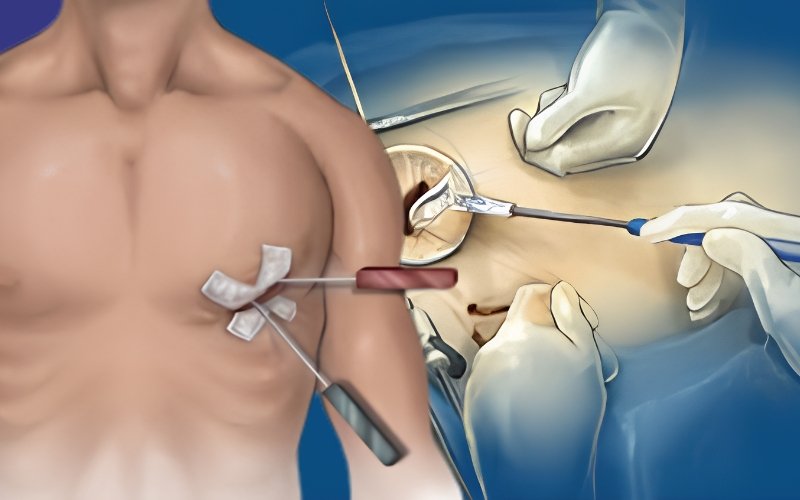
evolved. Minimally invasive cardiac surgery has changed the way certain heart procedures are performed by using smaller incisions and advanced surgical techniques instead of the traditional open approach in selected cases.
While every patient’s recovery journey is different, understanding what happens after surgery can help you feel more prepared and confident.
What Is Minimally Invasive Cardiac Surgery?
Minimally invasive cardiac surgery is a technique where heart procedures are performed through small incisions rather than opening the entire chest. Depending on the patient’s condition and treatment plan, this approach may help reduce tissue disruption and support a smoother recovery experience.
However, recovery still requires time, proper medical guidance, and patience.
What Happens Immediately After Surgery?
After the procedure, patients are usually monitored closely in the recovery unit or intensive care setting for a short period. During this stage, the medical team checks heart function, breathing, blood pressure, and overall healing progress.
It is normal to experience mild discomfort, tiredness, and limited movement during the first few days.
Patients are encouraged to begin gentle movement as recommended by their care team because early mobility can support circulation and recovery.
The First Few Weeks of Recovery
Recovery after minimally invasive cardiac surgery generally happens in stages.
During the first few weeks, most patients focus on:
- Managing discomfort and protecting the incision area
- Gradually increasing walking and light activity
- Following prescribed medications
- Maintaining healthy eating habits
- Attending follow-up appointments
- Getting enough rest and sleep
It is important not to rush recovery. Even if small incisions heal quickly on the outside, the body still needs time to recover internally.
Returning to Daily Activities
Many patients are able to return to light daily routines earlier compared with traditional approaches, but recovery timelines vary based on age, overall health, the type of heart procedure performed, and individual healing.
Simple activities such as short walks, light household tasks, and daily movement are usually introduced gradually under medical guidance.
Heavy lifting, intense exercise, and physically demanding activities should only be resumed after approval from the treating surgeon.
Supporting Long-Term Heart Health
Recovery does not end once the surgical wound heals. Long-term success also depends on healthy lifestyle habits.
Patients are often advised to maintain regular physical activity, follow a heart-friendly diet, manage stress, avoid smoking, and continue routine cardiac check-ups.
Final Thoughts
Recovery after minimally invasive cardiac surgery is a gradual process, but understanding each stage can make the journey easier. With the
expertise of Dr. Jaydip Ramani, an experienced cardiac surgeon, and a commitment to healthy recovery practices, many patients regain their strength and return to normal life with greater comfort, confidence, and improved cardiovascular health.