
Why Minimally Invasive Heart Surgery Is Replacing Open-Heart Surgery
Introduction
For many years, open-heart surgery was the main treatment for serious heart conditions. While it helped save many lives, it often required large chest incisions, longer hospital stays, and a painful recovery period. Today, medical advancements have introduced minimally invasive heart surgery, which is changing the way heart problems are treated.
At Plexus Heart Surgery Centre, a leading heart care center in Ahmedabad, minimally invasive techniques are being successfully performed under the expert guidance of Dr. Jaydip Ramani, one of the best cardiac surgeons in India. These advanced procedures now offer many patients a safer, more comfortable alternative to traditional open-heart surgery.
How Minimally Invasive Heart Surgery Is Different
Traditional open-heart surgery involves a large chest cut and longer recovery, often taking weeks or months, with more pain after surgery.
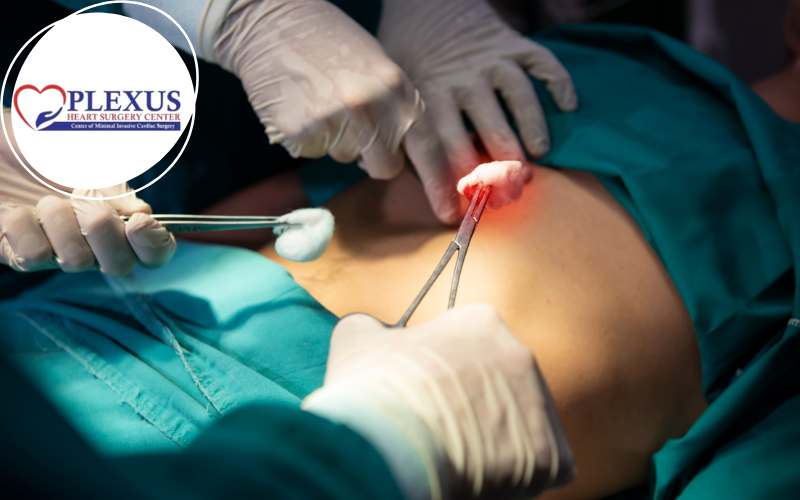
Minimally invasive heart surgery uses small cuts between the ribs and advanced tools to treat the heart without opening the entire chest. This leads to less pain, lower infection risk, and faster healing, allowing many patients to return to normal life sooner.
Less Pain and Trauma for Patients
One of the biggest reasons minimally invasive heart surgery is replacing open-heart surgery is reduced pain. Smaller incisions mean less damage to muscles and bones.
Patients often experience:
- Less post-surgery pain
- Reduced need for strong painkillers
- More comfort during recovery
This makes the overall experience much easier, especially for elderly patients.
Faster Recovery and Shorter Hospital Stay
Recovery after open-heart surgery can be slow and demanding. In contrast, patients who undergo minimally invasive surgery often recover much faster.
Many patients can:
- Get out of bed earlier
- Leave the hospital sooner.
- Return to normal activities and work quickly
This faster recovery improves quality of life and reduces stress for both patients and families.
Get Lower Risk of Infection and Complications
Large incisions in open-heart surgery increase the risk of infection and blood loss. Minimally invasive cardiac surgery reduces these risks because the cuts are smaller and the procedure is more controlled.
Benefits include:
- Less bleeding during surgery
- Lower chances of infection
- Fewer post-surgery complications
With expert hands and modern facilities, outcomes are often safer and more predictable.
Advanced Technology Makes It Possible
Minimally invasive heart surgery has become popular because of advances in:
- High-definition cameras
- Specialized surgical instruments
- Robotic-assisted techniques
- Improved heart-lung machines
At Plexus Heart Surgery Centre, these technologies allow surgeons like Dr. Jaydip Ramani to perform complex procedures with accuracy and safety.
Who Can Benefit from Minimally Invasive Heart Surgery?
Not every patient needs open-heart surgery anymore. Minimally invasive techniques can be used for:
- Heart valve repair or replacement
- Certain bypass surgeries
- Congenital heart defect correction
- Selected repeat heart surgeries
However, each patient is different. A detailed evaluation helps determine the safest and most effective treatment option.
Why Patients Prefer Minimally Invasive Surgery Today
Patients today are more informed and actively involved in their treatment decisions. Many prefer minimally invasive surgery because it offers:
- Faster healing
- Less physical and emotional stress
- Better overall experience
- Strong long-term results
With the right surgeon and hospital, patients can feel confident choosing this modern approach.
Why Experience Matters in Minimally Invasive Heart Surgery
Minimally invasive heart surgery offers many benefits, but its success largely depends on the skill and experience of the cardiac surgeon. An experienced surgeon understands which patients are suitable for this approach and how to handle complex situations with precision. Dr. Jaydip Ramani’s expertise, supported by advanced technology at Plexus Heart Surgery Centre, ensures that every patient receives safe, effective, and personalized care, leading to better outcomes and faster recovery.
Conclusion
Minimally invasive heart surgery is steadily replacing open-heart surgery because it is safer, less painful, and offers faster recovery with excellent outcomes. As technology advances and surgical expertise grows, more patients are benefiting from this modern approach.
If you or a loved one is exploring heart surgery options, consulting an experienced specialist like Dr. Jaydip Ramani, one of the best cardiac surgeons in India, can help you choose the right treatment for a healthier and safer future.