
Cardiovascular Surgeon in Uganda

Cardiovascular Surgeon in Uganda – Heart and Vascular Surgery in India

Cardiac Surgery | Vascular Surgery | Minimally Invasive Keyhole Heart Surgery | Personalized Treatment Planning

Patients in Uganda who have been advised to undergo surgery for a heart or blood vessel condition may wish to explore specialist treatment options in India. Dr. Jaydip Ramani is a cardiovascular surgeon based in Ahmedabad, Gujarat, India, with experience in cardiac and vascular surgery, including coronary artery bypass grafting, heart valve procedures, aortic surgery, and minimally invasive keyhole heart surgery. Choosing the right surgical treatment depends on the diagnosis, severity of the condition, overall health, and results of medical investigations. Patients from Uganda can contact Dr. Jaydip Ramani’s team to enquire about a medical report review and understand whether a consultation in India may be appropriate. At Plexus Heart Surgery Centre in Ahmedabad, treatment recommendations are based on individual assessment. Before making travel arrangements, patients should discuss the proposed procedure, possible risks, expected hospital stay, recovery requirements, and estimated costs with the treating team.

Why Consider India for Cardiovascular Surgery?

Patients considering cardiovascular surgery abroad should evaluate the surgeon’s relevant experience, available hospital facilities, treatment options, and arrangements for recovery and follow-up. India may be an option for patients from Uganda who wish to seek a specialist opinion and explore treatment at an established medical centre.

Advanced Surgical Techniques

Experienced Cardiac Surgeons

Specialized Hospital Care

Treatment Planning Before Travel
Why Consult Dr. Jaydip Ramani for Cardiovascular Surgery?

Dr. Jaydip Ramani is a cardiac and cardiovascular surgeon based at Plexus Heart Surgery Centre in Ahmedabad, Gujarat. He holds M.B.B.S., M.S., and M.Ch. qualifications, and his surgical experience includes minimally invasive keyhole heart surgery and procedures involving the coronary arteries, heart valves, and aorta.

1. Experience in Minimally Invasive Keyhole Heart Surgery

Dr. Ramani’s experience includes more than 3,000 keyhole heart surgeries. Minimally invasive techniques may be considered for selected patients, depending on the condition, the procedure required, and the patient's overall health.

2. Experience in Complex Cardiac Procedures

His surgical experience includes coronary artery bypass grafting, heart valve repair and replacement, aortic root surgery, left ventricular aneurysm surgery, heart myxoma surgery, and coronary endarterectomy.

3. Individualised Treatment Assessment

Not every patient with a cardiovascular condition requires surgery, and not every patient is suitable for the same surgical approach. The assessment process considers the diagnosis, investigation results, symptoms, medical history, and overall fitness for surgery.

4. Guidance on Treatment and Recovery

Patients should have an opportunity to understand the proposed operation, its potential benefits and risks, the expected hospital stay, and the recovery process. Patients travelling from Uganda should also discuss travel timing and the medical requirements for returning home.

Cardiovascular Surgery Services for Patients from Uganda

The type of surgery recommended depends on the patient’s condition and clinical findings. Dr. Jaydip Ramani’s surgical experience includes the following procedures.

Coronary Artery Bypass Grafting (CABG)

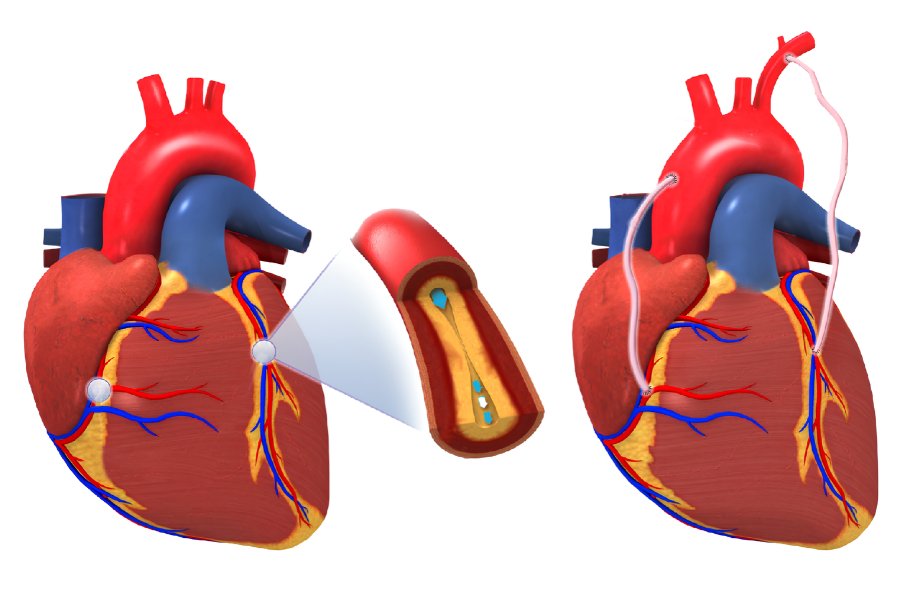
Coronary artery bypass grafting is performed to improve blood flow to the heart muscle when coronary arteries are significantly narrowed or blocked. The procedure uses blood vessels to create alternative routes for blood to reach the heart muscle. Whether CABG is appropriate depends on the pattern of coronary artery disease and the patient's clinical condition.
Heart Valve Repair and Replacement

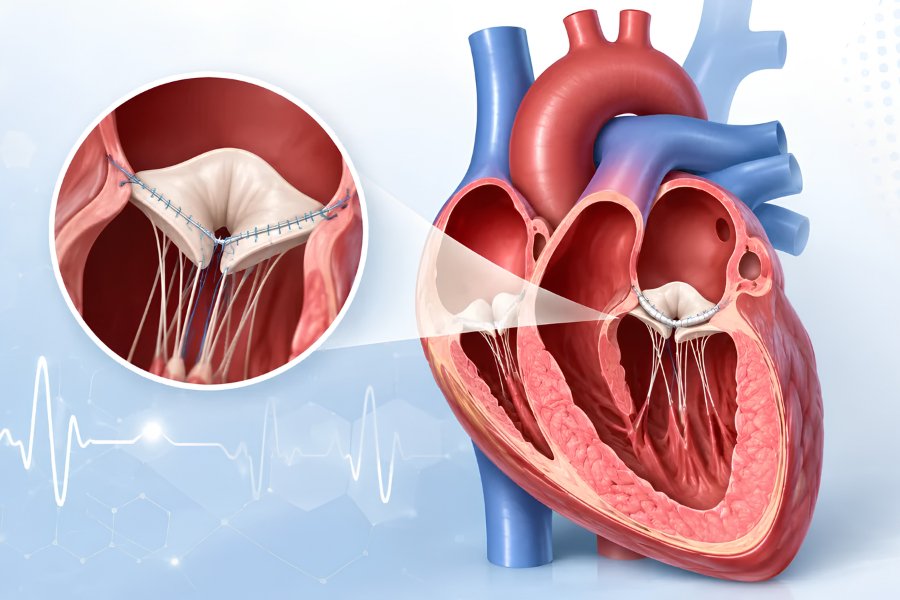
Heart valve surgery may be recommended when a valve is narrowed, leaks significantly, or does not function properly. Depending on the valve condition and other clinical factors, treatment may involve repairing the existing valve or replacing it with an appropriate valve.
Minimally Invasive Cardiac Surgery

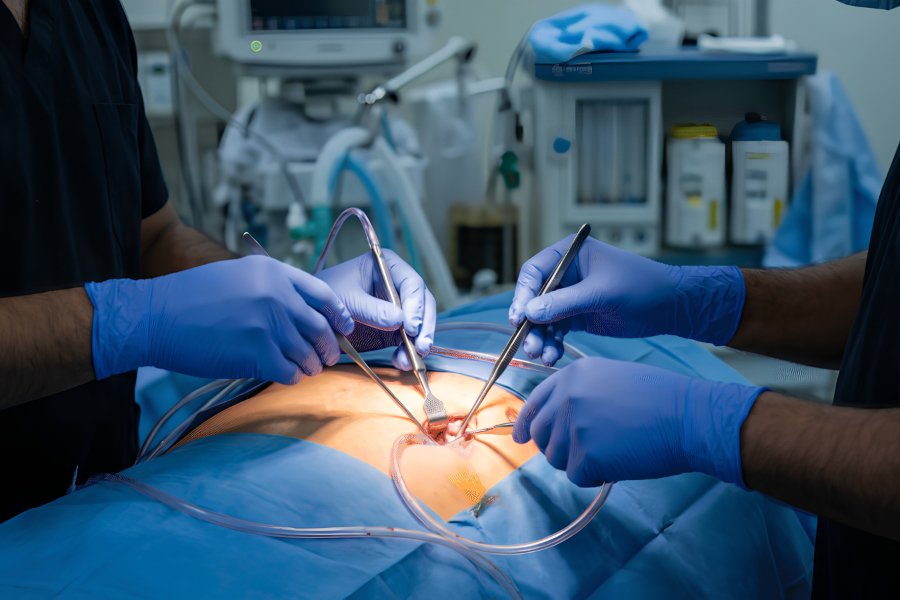
Minimally invasive CABG uses a smaller incision than conventional open-heart surgery in selected cases. It may be suitable for some patients, but the decision depends on coronary artery anatomy, the extent of disease, and the surgeon's assessment.
Left Ventricular Aneurysm Surgery

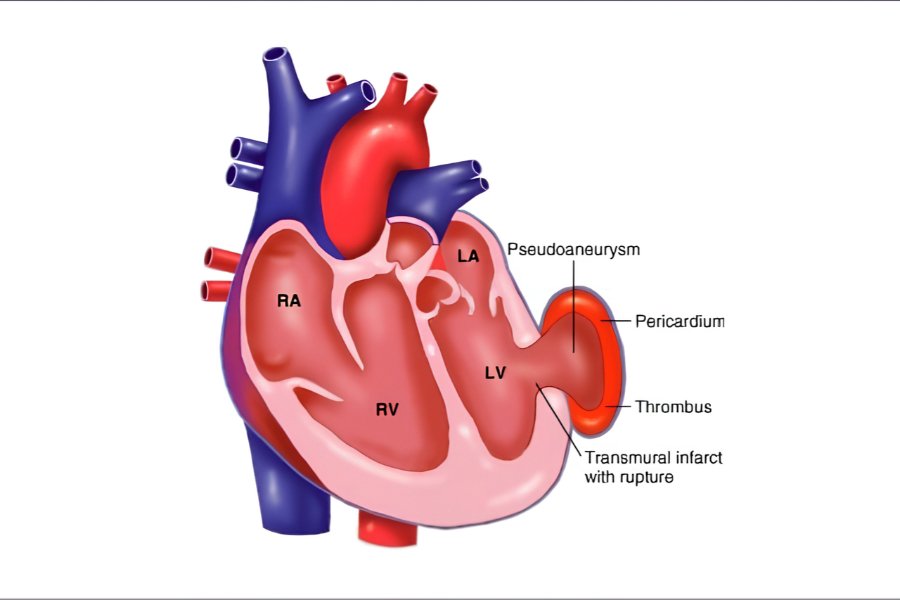
A left ventricular aneurysm is an abnormal bulging area of the heart wall that may develop after heart muscle damage. Surgery may be considered in selected cases after evaluating symptoms, heart function, and other treatment options.
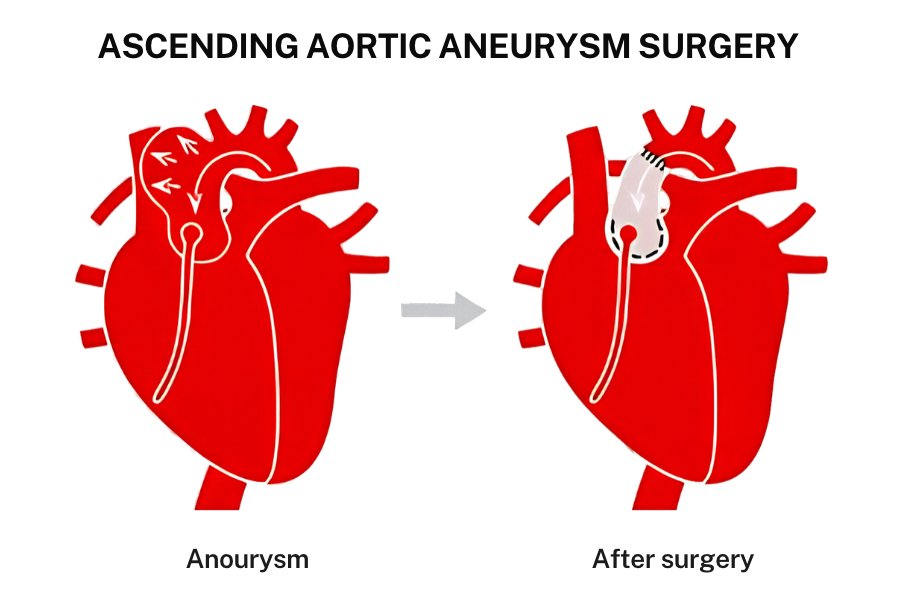
Aortic Root Surgery

Aortic root surgery may be required for certain conditions affecting the section of the aorta attached to the heart. The operation depends on the underlying problem, such as aortic root enlargement or disease involving the aortic valve and surrounding structures.
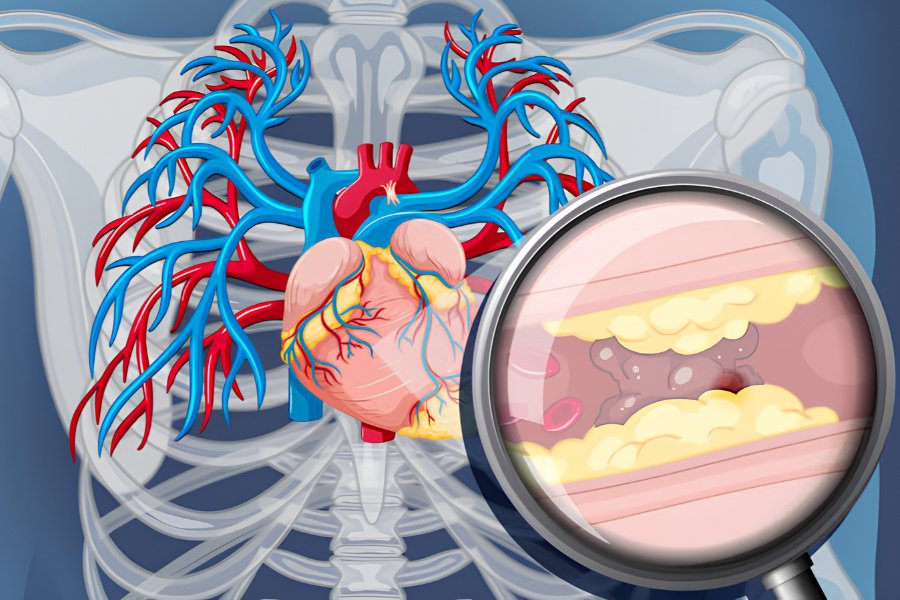
Heart Myxoma Surgery

A heart myxoma is a type of tumour that develops inside the heart, often within one of its chambers. Surgery may be recommended because a myxoma can interfere with blood flow or cause other complications. Assessment and treatment depend on the tumour's location and the patient's condition.
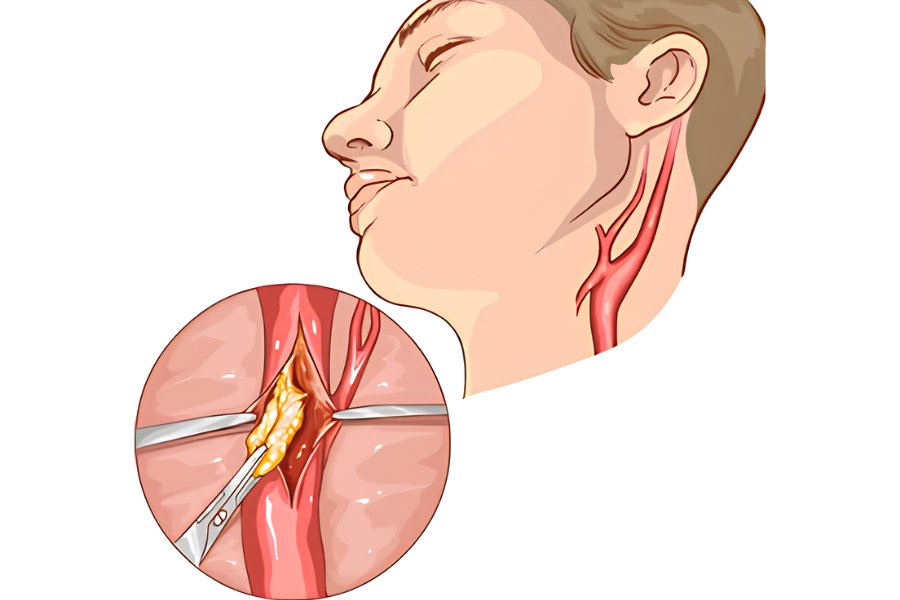
Coronary Endarterectomy

Coronary endarterectomy involves removing obstructive material from the inner lining of a coronary artery in selected cases of extensive coronary artery disease. It may be performed alongside bypass surgery when considered appropriate by the treating surgeon.

Vascular Surgery

Vascular surgery addresses certain conditions affecting blood vessels outside the heart. The appropriate treatment depends on the affected vessel, the nature and severity of the disease, and the patient's overall health. Patients should confirm with the treating team whether their specific vascular condition falls within the available surgical services.

Surgical Approaches for Cardiovascular Conditions

Different surgical approaches may be used to treat cardiovascular conditions. The choice depends on the procedure required, the patient’s anatomy, the severity of the disease, and other medical considerations.

Minimally Invasive Keyhole Heart Surgery

Keyhole heart surgery uses smaller incisions than conventional open-heart surgery for selected procedures. It may help reduce surgical trauma in suitable patients, although the potential benefits and limitations vary according to the operation and the individual's condition.

Conventional Open-Heart Surgery

Conventional open-heart surgery provides access to the heart for procedures that require a larger surgical opening. It may be recommended for complex operations or when a minimally invasive approach is not suitable.

Beating-Heart Bypass Surgery

In selected coronary bypass procedures, surgery can be performed while the heart continues to beat rather than using a heart-lung machine to stop the heart. The suitability of this approach depends on the patient's coronary artery disease, heart function, and other clinical factors.

Heart Valve and Aortic Procedures

Heart valve and aortic operations may involve repair or replacement, depending on the condition being treated. The surgical plan is determined after reviewing diagnostic tests and discussing the available options with the patient.

Your Medical Journey from Uganda to India

Step-1
Step-2
Step-3
Step-4
Step-5
Step-6

Services for International Patients

Medical Report Review

Consultation Coordination

Follow-Up & After Care

Travel and Visa Guidance

Hospital Admission Coordination

Family and Attendant Guidance

Recovery and Discharge Instructions

Treatment Planning Assistance
FAQs

Patients from Uganda can enquire about cardiovascular treatment in India and the consultation process with Dr. Jaydip Ramani. The appropriate treatment options depend on the patient's diagnosis, medical reports, and clinical assessment. Contact the clinic to confirm appointment availability and the documents required before travel.

No. Minimally invasive surgery is appropriate for selected patients, not everyone. Suitability depends on the type and severity of the condition, the patient's anatomy, medical history, and the procedure required. The surgeon can explain whether a minimally invasive approach or conventional surgery is more appropriate after reviewing the relevant investigations.

Patients should enquire about submitting their medical reports before the appointment. Depending on the condition, useful records may include cardiology notes, echocardiography results, angiography images or reports, CT scans, medication lists, and details of previous operations. The clinic can advise which records are necessary for the initial review.

The timing of return travel depends on the operation and the patient's recovery. Flying too soon after major surgery may carry medical risks. The treating team should assess the patient's condition and provide travel advice before flights are booked or confirmed.

A cardiovascular surgeon may perform operations for selected conditions affecting the heart and major blood vessels. These can include coronary artery disease requiring bypass surgery, heart valve disorders, certain aortic conditions, and specific vascular diseases. The surgeon's scope of practice and the patient's clinical needs should be confirmed during consultation.

The terms are sometimes used interchangeably, although their usage can vary by healthcare system and clinical practice. Cardiac surgery generally refers to operations on the heart, while cardiovascular surgery may also include procedures involving major blood vessels. Patients should check the surgeon's qualifications and experience with the specific operation being considered.

The required stay varies with the type of operation, the patient's health, recovery progress, and any complications. Major cardiovascular procedures may require hospitalisation followed by additional recovery time before travel is appropriate. Patients should obtain individual guidance from the treating team rather than relying on a fixed number of days.

Patients should ask about the reason surgery is recommended, expected benefits, possible complications, alternative treatments, anaesthesia, hospital stay, recovery, and estimated costs. It is also important to understand whether further tests are needed and what follow-up care will be required after returning to Uganda.

Dr. Jaydip Ramani

Consult Dr. Jaydip Ramani for Cardiovascular Surgery in India

Looking for a Cardiovascular Surgeon in Uganda? Explore Your Treatment Options in India.

If you are in Uganda and have been advised to consider surgery for a heart or blood vessel condition, you can contact Dr. Jaydip Ramani’s team to enquire about a consultation in Ahmedabad. Share your diagnosis and available medical reports to ask about the next steps, possible treatment options, and the information needed before planning travel to India.