
Minimally Invasive Cardiac Surgeon in Kenya

Minimally Invasive Cardiac Surgeon in Kenya – Keyhole Heart Surgery in India

Expert Cardiac Care | Minimally Invasive Keyhole Heart Surgery | Personalized Treatment for International Patients

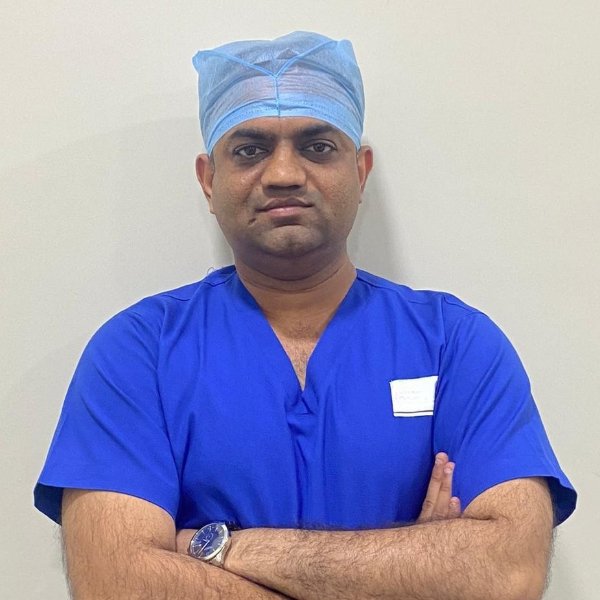
n based at Plexus Heart Surgery Centre in Ahmedabad, Gujarat, India. His surgical experience includes minimally invasive keyhole heart surgery, coronary artery bypass grafting, heart valve procedures, and other complex cardiac operations. Dr. Ramani has performed over 3,000 keyhole heart surgeries. Minimally invasive surgery may be an option for selected patients, depending on the heart condition, the procedure required, and the patient's overall health. Patients from Kenya can enquire about submitting their medical reports for an initial review and discussing potential treatment options. The choice between minimally invasive and conventional open-heart surgery requires careful medical assessment. A consultation can help patients understand the proposed procedure, potential benefits and risks, expected hospital stay, recovery requirements, and the practical considerations involved in travelling to India for treatment.

Why Consider India for Minimally Invasive Cardiac Surgery?

Patients exploring heart surgery abroad should consider the experience of the surgical team, the treatment options available, hospital facilities, and the care required during recovery. India may be an option for patients from Kenya seeking a specialist opinion about minimally invasive cardiac surgery.

Advanced Surgical Techniques

Experienced Cardiac Surgeons

Specialized Hospital Care

Treatment Planning Before Travel
Why Consult Dr. Jaydip Ramani for Minimally Invasive Cardiac Surgery?

Dr. Jaydip Ramani holds M.B.B.S., M.S., and M.Ch. qualifications and is based at Plexus Heart Surgery Centre in Ahmedabad, Gujarat, India. His surgical experience includes minimally invasive heart surgery, coronary bypass procedures, heart valve repair and replacement, and other complex cardiac operations.

1. Experience in Keyhole Heart Surgery

Dr. Ramani has performed over 3,000 keyhole heart surgeries. The suitability of a minimally invasive technique depends on the patient's individual condition and the procedure being considered.

2. Treatment Based on Individual Assessment

Each patient's treatment plan should reflect their diagnosis, investigation results, symptoms, medical history, and overall health. An assessment helps determine whether keyhole surgery, conventional open-heart surgery, or another treatment approach should be considered.

3. Experience in Complex Cardiac Procedures

His surgical experience includes coronary artery bypass grafting, heart valve repair and replacement, aortic root surgery, left ventricular aneurysm surgery, heart myxoma surgery, and coronary endarterectomy.

4. Clear Guidance on Risks and Recovery

Before agreeing to surgery, patients should understand the intended benefits, possible complications, alternatives, hospital stay, and recovery requirements. Patients travelling from Kenya should also discuss when they may be fit to return home.

Minimally Invasive Cardiac Surgery Services for Patients from Kenya

Minimally invasive cardiac surgery includes different techniques used for selected heart procedures. The appropriate approach depends on the condition being treated and the patient’s clinical assessment.

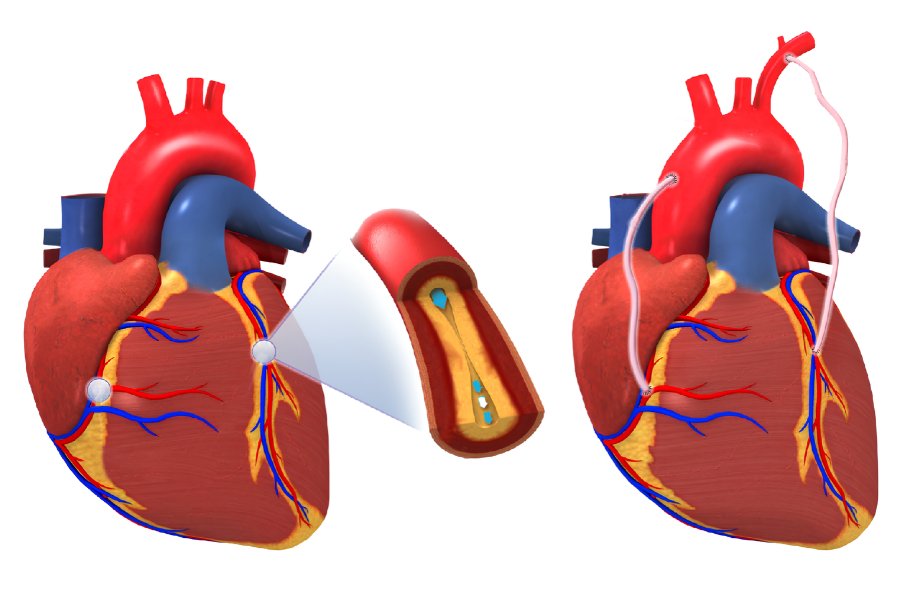
Minimally Invasive Coronary Artery Bypass Grafting (CABG)

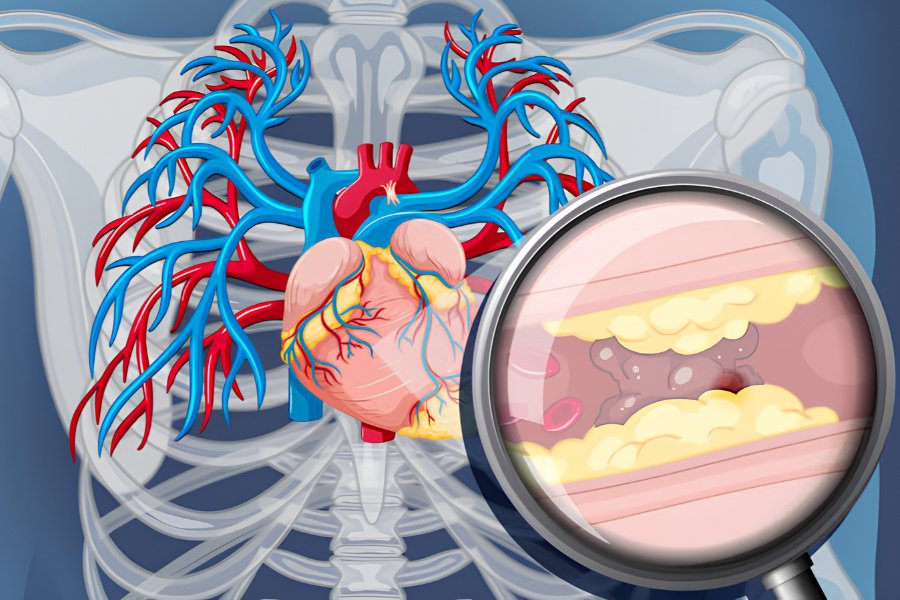
Coronary artery bypass grafting improves blood flow to the heart muscle by creating alternative routes around narrowed or blocked coronary arteries. In selected patients, bypass surgery may be performed through smaller incisions. Suitability depends on the pattern of coronary artery disease, the number and location of blockages, and other clinical factors.
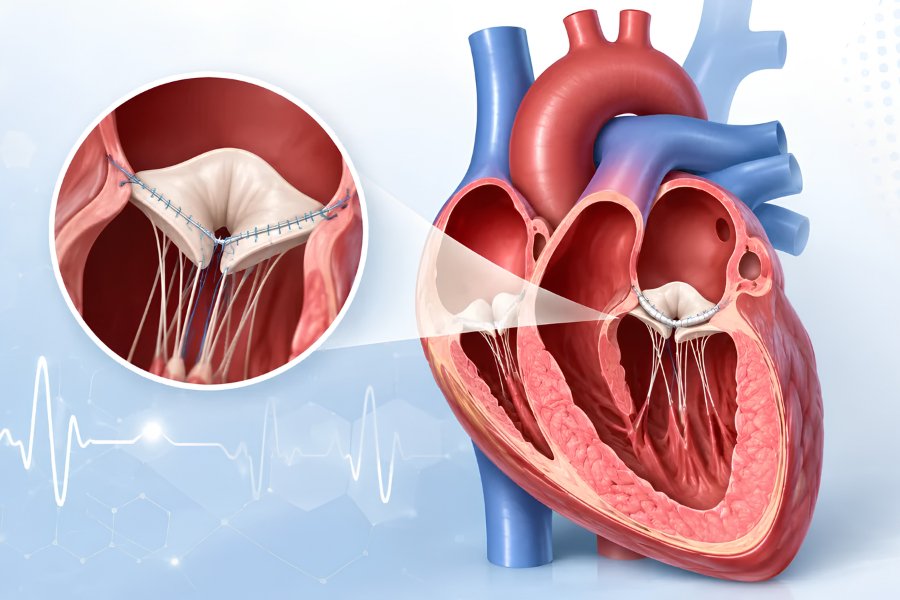
Minimally Invasive Heart Valve Surgery

Some heart valve procedures can be performed through smaller incisions. The aim may be to repair or replace a valve that is narrowed or leaking. The surgical approach depends on which valve is affected, the severity of the problem, and the patient's anatomy and overall health.
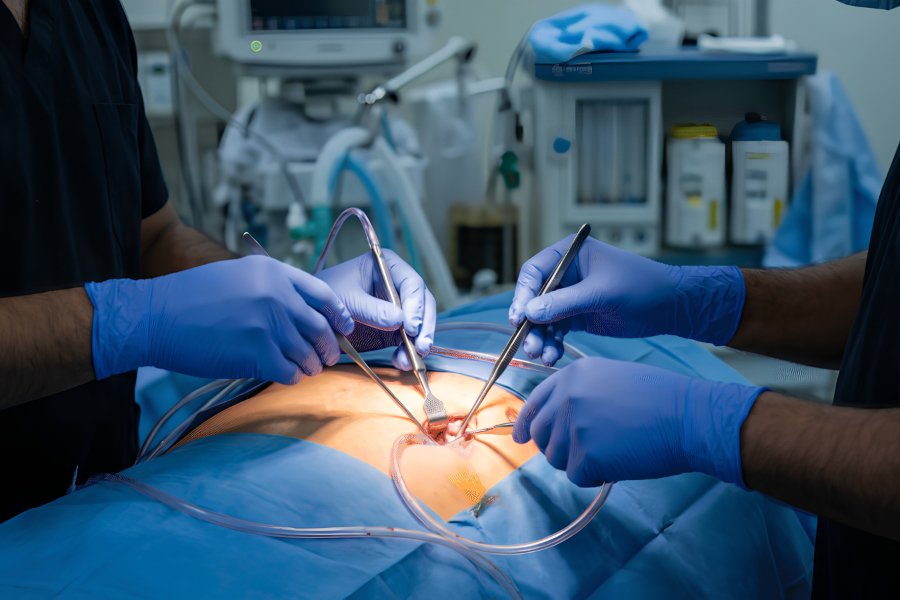
Keyhole Mitral Valve Surgery

Mitral valve surgery may be recommended when the valve does not open or close properly. In selected cases, a minimally invasive approach may be considered for valve repair or replacement. Detailed imaging and clinical assessment help the surgeon determine which technique is appropriate.
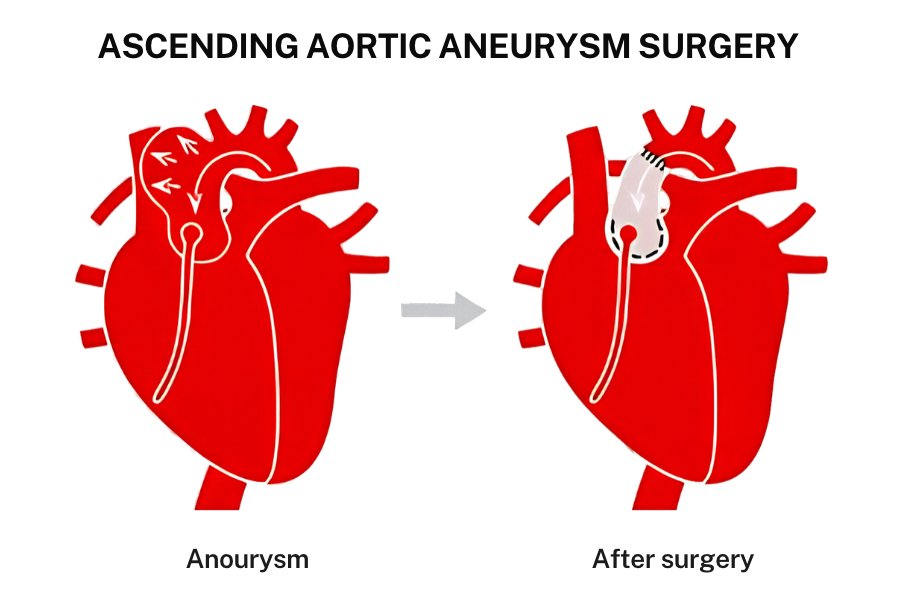
Selected Aortic Valve Procedures

Aortic valve disease can involve narrowing or leakage of the valve. Some patients may require surgical repair or replacement, depending on the diagnosis. Whether a minimally invasive surgical approach is suitable depends on the valve condition, associated heart or aortic problems, and the patient's health.
Beating-Heart Bypass Surgery

In selected coronary bypass operations, surgery may be performed while the heart continues to beat rather than stopping it for the procedure. This approach is not suitable for every patient, and the surgical team determines its appropriateness after evaluating the coronary arteries and other medical factors.

Surgical Approaches for Minimally Invasive Cardiac Treatment

The surgical approach depends on the condition, the operation required, and the patient’s overall health. Smaller incisions do not automatically mean that a procedure is safer or suitable for every patient.

Minimally Invasive Keyhole Heart Surgery

Keyhole heart surgery uses smaller incisions than conventional open-heart surgery for selected procedures. It may reduce the extent of surgical access required, but the benefits, limitations, and recovery experience vary according to the operation and the patient.

Beating-Heart Bypass Surgery

Selected coronary bypass operations can be performed while the heart continues to beat. Whether this technique is appropriate depends on the coronary artery disease, the patient's clinical condition, and the surgeon's assessment.

Conventional Open-Heart Surgery

Some heart conditions require conventional open-heart surgery to provide the access needed for a complex procedure. If a minimally invasive technique is not appropriate, open surgery may be the more suitable option. The surgeon can explain the reasons for recommending a particular approach.

Heart Valve and Aortic Procedures

Heart valve and aortic surgery may involve repair or replacement. The choice of procedure and surgical access depends on the specific condition, the extent of disease, and the findings from cardiac investigations.

Your Medical Journey from Kenya to India

Step-1
Step-2
Step-3
Step-4
Step-5
Step-6

Services for International Patients

Medical Report Review

Consultation Coordination

Follow-Up & After Care

Travel and Visa Guidance

Hospital Admission Coordination

Family and Attendant Guidance

Recovery and Discharge Instructions

Treatment Planning Assistance
FAQs

Minimally invasive cardiac surgery uses smaller incisions than conventional open-heart surgery for selected procedures. Depending on the condition, it may be used for certain bypass or heart valve operations. The exact technique depends on the procedure required, the patient's anatomy, and the surgeon's assessment.

No. Suitability depends on the heart condition, the location and severity of the disease, the procedure required, the patient's anatomy, and their overall health. Some patients may benefit from a minimally invasive approach, while others may require conventional open-heart surgery. A specialist assessment is needed to determine the appropriate option.

Minimally invasive coronary artery bypass grafting may be possible for selected patients. The decision depends on the location and extent of coronary artery blockages, the number of vessels involved, and other medical factors. The surgeon will review the relevant investigations before recommending an approach.

The cost depends on the procedure, hospital charges, investigations, medicines, length of admission, and any additional treatment required. It is best to request an individual estimate after the medical team has reviewed the available reports and clarified the likely treatment plan.

Patients from Kenya can contact the clinic to enquire about consultation arrangements in Ahmedabad and the process for sharing medical reports. The treating team can explain the next steps based on the available medical information. Whether minimally invasive surgery is suitable can only be determined after appropriate assessment.

For selected patients, smaller incisions may reduce surgical trauma and may help with recovery. However, the benefits depend on the operation and the patient's condition. Minimally invasive surgery still carries risks, and it may not be the best option for every patient. The surgeon should explain the likely benefits and limitations for the proposed procedure.

The length of stay depends on the operation, the patient's recovery, and whether complications occur. Patients may need hospital care followed by additional recovery time before travelling home. Before making travel arrangements, ask the treating team about the likely admission period, recovery requirements, and when you may be medically fit to fly.

Useful records may include cardiology consultation notes, echocardiography results, ECG reports, coronary angiography images or reports, relevant CT scans, prescriptions, details of previous operations, and a list of current medicines. The clinic can advise which documents are required for your particular condition.

Dr. Jaydip Ramani

Consult Dr. Jaydip Ramani for Minimally Invasive Cardiac Surgery in India

Looking for a Minimally Invasive Cardiac Surgeon in Kenya? Explore Your Treatment Options in India.

If you are in Kenya and have been advised to undergo heart surgery, contact Dr. Jaydip Ramani’s team to enquire about an assessment and whether a minimally invasive approach may be appropriate for your condition. Share your available medical reports and ask about the consultation process, potential treatment options, estimated costs, and the medical considerations involved in planning a visit to India.