
A Complete Guide to Minimally Invasive Heart Surgery: Benefits, Procedure, and Recovery
Introduction
Cardiovascular surgery might sound intimidating, particularly after hearing terms like open heart surgery. Patients suffering from various conditions, such as chest pains, shortness of breath, tiredness, or cardiac disorders, frequently have concerns about lengthy recovery periods and the risks associated with the operation. Fortunately, thanks to recent developments in medicine, a more secure and non-invasive alternative has emerged in the form of minimally invasive heart surgery.
The modern procedure is highly efficacious, causes minimal pain, heals quickly, and offers other advantages. This guide will discuss the benefits, process, and post-surgical care related to MICS surgery.
What is Minimally Invasive Heart Surgery?
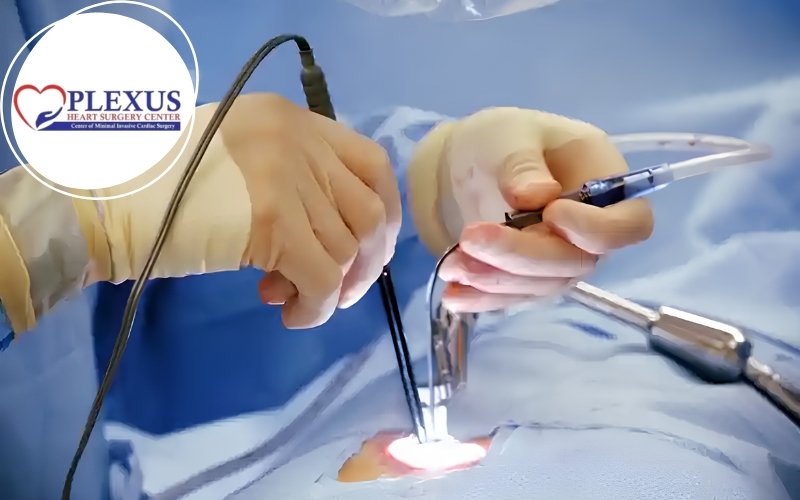
Minimally Invasive Cardiac Surgery (MICS), or minimally invasive heart surgery, refers to an innovative process where the heart operation takes place through minimal incisions rather than opening the chest completely.
Unlike open heart surgery, which entails cutting the breastbone, MICS heart surgery requires special tools and sophisticated imaging equipment to execute the procedure with high accuracy and cause minimal injury to the patient.
MICS surgery is usually performed for:
- Valvular heart repair and replacement
- Bypass surgery
- Congenital heart disorders
Why Patients Prefer MICS Over Open Heart Surgery
Most people opt for the minimally invasive technique because of the many advantages associated with it. Compared to traditional open heart surgery, MICS allows for a faster recovery process that is less painful.
Individuals suffering from chest discomfort, fatigue, or reduced stamina usually avoid undergoing surgery because of fear. However, knowledge of MICS’ benefits may alleviate this fear.
Advantages of MICS Surgery for the Heart
- Small Incisions and Minimal Pain
The surgery has small incisions, meaning there will be little damage to other tissues and minimized post-surgery pain. - Quick Recovery Period
Recovery is faster than with regular surgery. Patients are able to get back to their daily activities in a matter of weeks. - Minimized Risk of Complications
Small incisions mean that there is a lesser chance of infection and bleeding during surgery. - Short Hospital Stay
Surgical patients spend a shorter period of time at the hospital and have reduced costs associated with the procedure. - Minimal Scarring
There is little to no scarring due to small incisions, as opposed to open heart surgery.
MICS Surgery Procedure
The procedure used during MICS surgery involves special equipment and processes that make the process much easier for both the doctor and patient. Rather than opening the chest area, small holes between the ribs are created, allowing entry to the heart.
It involves the use of imaging systems that enable the doctor to conduct the process precisely as the patient is under anesthesia.
Although the method used differs from that of open heart surgery, the objective is the same; ensuring that the heart functions properly.
Recovery After Minimally Invasive Heart Surgery
MICS heart surgery recovery process is relatively easy when compared with that of a conventional open heart procedure. In most cases, improvements begin within a few days.
After a few days, there will be some level of discomfort, but this should gradually subside. After two weeks or even sooner, patients would already be able to resume their normal everyday activities. Total recovery can take anywhere between a few weeks to months.
Individuals who suffered from chest pain, tiredness, or breathing difficulties before the surgery should experience relief afterwards.
Importance of Early Treatment
Most people do not pay attention to initial symptoms, including mild chest pain, tiredness, and breathing difficulties. This may result in aggravation of heart disorders.
Early detection and effective treatment through innovative methods such as MICS surgery may enhance results.
Tips for Better Recovery
Recovery is not only dependent on the procedure but also on how well you take care of yourself after the operation. It is important that you follow your doctor’s instructions for long-lasting benefits.
Eating right, exercising regularly, and going for checkups will assist in making sure that you recover smoothly. Also, remember to manage stress and lead a heart-friendly life.
Conclusion
MICS surgery has changed how heart diseases are addressed, providing a more secure and comfortable option than ever before. It comes with several advantages such as quick recovery, low pain levels, and few complications, making it a favorable procedure for most people.
In case you have any heart-related issues, including chest pain, fatigue, or other heart problems, Consulting an experienced specialist like Dr. Jaydip Ramani can help ensure timely diagnosis and effective treatment. Opting for the best minimally invasive cardiac surgery in India will guarantee top-notch services and a fast healing
process.
If you are experiencing heart-related symptoms and want a safer, faster recovery option, consult an experienced cardiac surgeon in India for advanced minimally invasive heart surgery.